English

Views: 707 Author: Isabella Carter Publish Time: 2026-10-05 Origin: WellPromotion Custom Custom Backpacks Manufacturer
For businesses planning to launch their own backpack brand or customize corporate gifts, choosing a reliable custom backpacks manufacturer is a key factor influencing project progress. The manufacturer's professional capabilities are directly tied to product delivery quality and overall project timelines. As a professional manufacturer in the industry, WellPromotion has long been committed to providing comprehensive OEM and ODM backpack manufacturing solutions for overseas clients. This guide will systematically walk through the custom backpack production process, providing a clear reference for the procurement decisions of the aforementioned businesses.
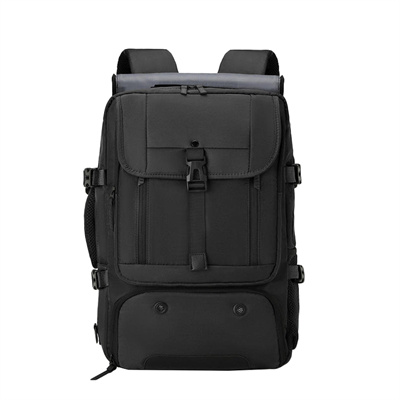
Step 1: Design Consultation and Custom Requirement Briefing
During the project initiation phase, the custom backpacks manufacturer conducts in-depth design consultation and requirement briefing with the client. The core of this stage is to clarify the backpack's intended use cases, target audience, functional requirements, and budget range. Clients need to provide the factory with a detailed tech pack or reference samples so that engineers can accurately understand the design intent.
During this stage, WellPromotion's professional team assists clients in understanding the differences between OEM and ODM cooperation models, and formulates a preliminary plan based on order quantity, delivery requirements, and brand positioning. Once the requirement briefing is complete, both parties confirm basic parameters such as backpack capacity, compartment layout, and harness system type, laying the direction for subsequent material selection and pattern development.
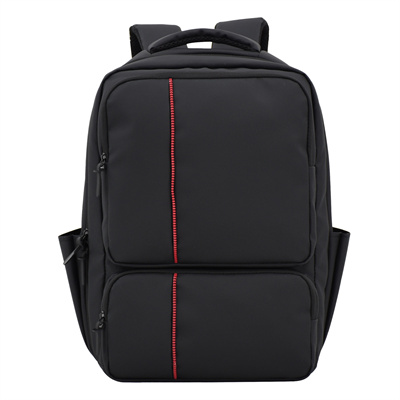
Step 2: Material and Component Selection
Material and component selection is a core stage that determines backpack quality and cost. The custom backpacks manufacturer recommends suitable fabric and hardware combinations based on the client's confirmed requirement documents. Fabrics with different weights and weaves vary in abrasion resistance, water resistance, and hand feel. At the component level, the brand and specifications of each part — including zippers, buckles, webbing, shoulder pad foam, and lining — affect the durability of the final product.
In the material selection stage, WellPromotion provides fabrics that meet international environmental standards, such as GRS-certified recycled polyester fabrics, to satisfy the compliance requirements of overseas markets for sustainable products.
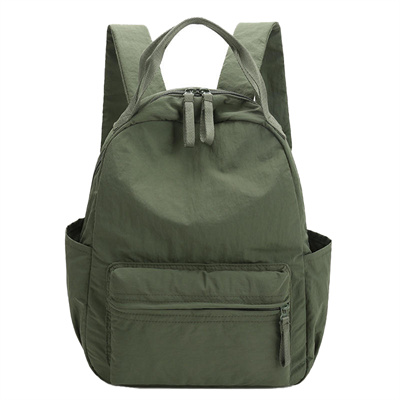
Step 3: Pattern Making and Prototype Development
Pattern making and prototype development are key steps in transforming a flat design into a three-dimensional product. Pattern makers draft patterns based on the tech pack, determining the shape, size, and stitching method of each fabric piece. The factory then produces an initial prototype to verify structural integrity, functional performance, and visual effect. Once completed, the prototype is delivered to the client for confirmation.
After receiving the prototype, the client may provide feedback, and the factory makes adjustments accordingly to produce a revised sample. After multiple rounds of confirmation, the manufacturer produces a pre-production sample, which serves as the quality benchmark for bulk production. This thorough communication is a critical aspect of quality control for a professional custom backpacks manufacturer. WellPromotion's sampling team focuses on detail accuracy, ensuring that every stitch position, pocket depth, and hardware installation method matches the confirmed sample.
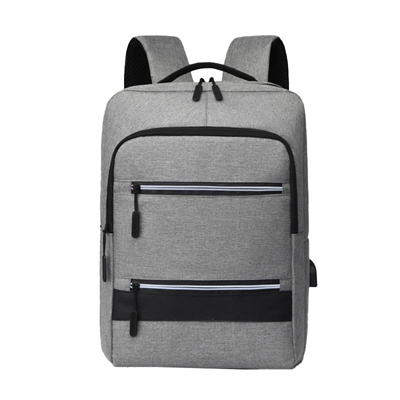
Step 4: Cutting, Sewing, and Assembly Production
Upon entering the mass production phase, the custom backpacks manufacturer first conducts fabric inspection and layout cutting. The cutting department spreads and cuts fabric based on the pattern, ensuring precise dimensions and consistent orientation of each piece. The precision of this stage directly affects the finished quality of subsequent processes.
Cut pieces are then sent to the sewing workshop, where sewing operators assemble them according to standard procedures. Backpack sewing involves various machines such as flatbed machines, post-bed machines, and compound feed machines. Critical stress points require backstitching reinforcement or bar-tack sewing. To ensure the above process requirements are met, WellPromotion arranges quality inspectors during sewing to conduct in-process checks, record non-conforming items at each workstation, and arrange timely repairs to prevent defects from flowing into the next stage.
The assembly stage includes installing zippers, buckles, webbing, and sewing the inner lining, ultimately forming a complete backpack product. The process arrangement and quality control standards of the custom backpacks manufacturer at this stage determine the functional completeness and visual consistency of the finished product.
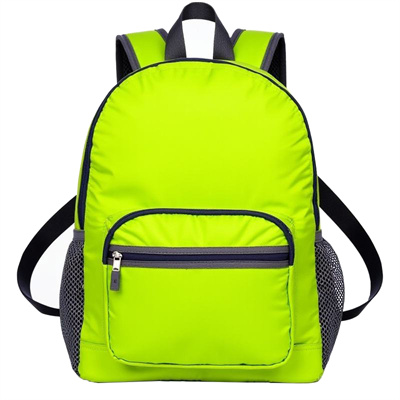
Step 5: Logo Application and Branding Techniques
Logo application is a core stage in expressing brand identity. Common logo techniques include embroidery, screen printing, heat transfer, woven labels, and metal labels, each suited to different fabric materials and design complexities.
The custom backpacks manufacturer must select the appropriate production method based on the characteristics of each technique and strictly control placement tolerances to ensure consistent logo presentation across the same batch. The precision of control at this stage directly affects brand presentation and the end customer's first impression. WellPromotion provides technique samples before logo production, allowing clients to confirm the accuracy of color, size, and placement. Once logo application is complete, the product enters the final inspection stage.
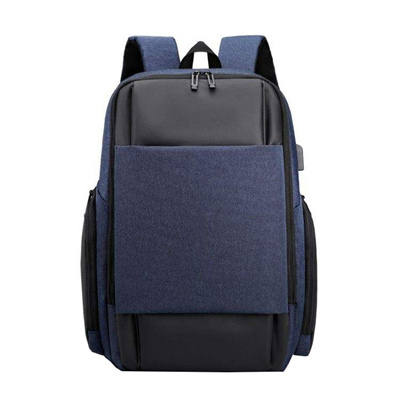
Step 6: Quality Control and Shipping
Quality control and logistics management are important stages for the custom backpacks manufacturer to protect client interests. Quality control runs through the entire production process and is especially critical at the finished product stage. WellPromotion implements a three-tier quality control system covering incoming material inspection, in-process inspection, and final inspection. Final inspection includes visual checks, zipper cycle tests, load-bearing tests, and overall functional verification. Products that pass inspection enter the packaging stage, where they are placed in individual polybags, fitted with hangtags or stickers per client requirements, and packed into cartons at standard quantities.
The shipping method is selected by the client based on timing and cost requirements. The manufacturer handles factory delivery arrangements or assists with export customs clearance to ensure products are delivered on time to the designated location.
WellPromotion Custom Backpacks Manufacturer From YouTube
Conclusion
From requirement briefing, material selection, and sampling development to mass production, logo application, and final delivery, each of the above stages requires the manufacturer to possess professional execution capabilities. As a custom backpacks manufacturer, WellPromotion has established standardized operating procedures at every process node, committed to providing clients with stable and reliable manufacturing services. For further details on cooperation, please submit your tech pack and requirement specifications, and we will arrange for a dedicated representative to contact you.