English
Views: 610 Author: Ava Churchill Publish Time: 2026-07-13 Origin: WellPromotion Custom Custom Tote Bags
In 2026, the full enforcement of the EU Regulation on Packaging and Packaging Waste as well as the in-depth implementation of China’s revised plastic ban are reshaping the promotional products landscape. No longer just packaging carriers, custom tote bags have evolved into mobile billboards that broadcast your ESG commitments.
Conventional non-woven bags are phasing out due to their non-biodegradable nature amid tightening regulations. How can brands strike an optimal balance between cost control, brand positioning and regulatory compliance? This article conducts an in-depth analysis of four mainstream materials for custom tote bags, delivering practical guidance for your procurement decisions.
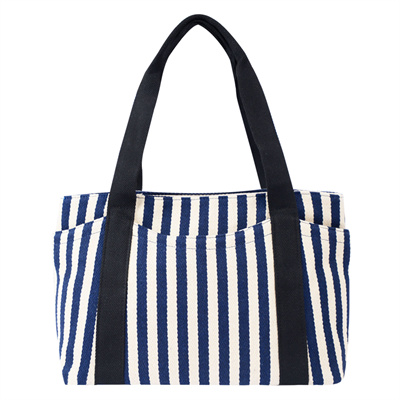
Detailed Examination: Strengths and Limitations of Four Main Materials Under 2026 Compliance Rules
1.1 Canvas: Evolving from Durable Containers to Valuable Brand Assets
Custom tote bags crafted from canvas stand out for their exceptional durability and environmental friendliness. Research indicates a high-quality canvas tote bag needs to be reused hundreds of times to offset the environmental footprint of a single plastic bag. In 2026, brands are prioritizing premium, long-lasting products over disposable giveaways. Heavyweight canvas (12oz/16oz) has become the staple choice for boutique retailers and chain brands.
Crafting Performance: The tight weave of canvas supports high-precision screen printing and 3D embroidery, accurately matching Pantone color codes and ensuring consistent brand VI presentation.
Procurement Recommendation: Custom canvas tote bags are ideal for scenarios requiring long-term brand exposure, including bookstores, high-end supermarkets and corporate anniversary gifts.
1.2 Cotton: A Lightweight Option Balancing Cost and Tactile Experience
Natural cotton offers superior biodegradability. A key 2026 industry trend favors undyed raw cotton fabric and minimal printing techniques, which cut down chemical bleaching and dyeing procedures to reduce water consumption and pollution during production.
Crafting Performance: The light weight of cotton makes it easy to fold and carry, encouraging repeated use by consumers.
Procurement Recommendation: Cotton tote bags work perfectly as in-store shopping bags for apparel brands and gift pouches for cultural and creative merchandise. Procurers must verify the compliance of cotton sourcing to avoid supply chain-related compliance risks.
1.3 Non-woven Fabric: Technological Breakthrough Amid Controversy
Traditional PP non-woven fabric is hard to decompose in natural environments and is being restricted by regulatory policies worldwide. Thanks to material science advances, PLA biodegradable non-woven fabric has emerged as a viable alternative in 2026. Derived from corn starch, this bioplastic fully decomposes under industrial composting conditions, complying with the latest regulatory standards.
Crafting Performance: Non-woven fabric boasts prominent cost advantages and suits large-area full-color laminated printing for striking visual effects.
Procurement Recommendation: PLA biodegradable non-woven tote bags are only recommended for large-scale exhibition giveaways, with suppliers required to provide official biodegradation test reports. Avoid cheap non-degradable conventional non-woven products to prevent damage to brand reputation.
1.4 Organic Cotton: A Core Credential for ESG Reporting
For listed companies and multinational corporations, organic cotton is an irreplaceable procurement material in 2026. Pesticide and chemical fertilizer are prohibited throughout organic cotton cultivation, which protects soil health and lowers carbon emissions. It is the only textile raw material eligible to be explicitly documented in corporate annual ESG reports.
Certification Requirement: Authentic organic cotton must come with GOTS certification, guaranteeing full traceability across the entire supply chain from farm to finished product.
Procurement Recommendation: Custom organic cotton tote bags fit executive gifts, premium client thank-you packages and corporate social responsibility initiatives for public disclosure. Despite a higher unit price, the material delivers invaluable brand premium and regulatory compliance.
1.5 2026 Procurement Comparison Chart
Comparison Criteria | Canvas | Regular Cotton | PLA Biodegradable Non-woven Fabric | Organic Cotton |
2026 Compliance Rating | ★★★★★ | ★★★★ | ★★★ (Biodegradation Report Mandatory) | ★★★★★ |
Ideal Use Cases | Branded Corporate Giveaways | Cultural Merchandise | Experiential Marketing Campaigns | Concierge-Level Gifting |
Cost Level | Medium-High | Medium | Low | High |
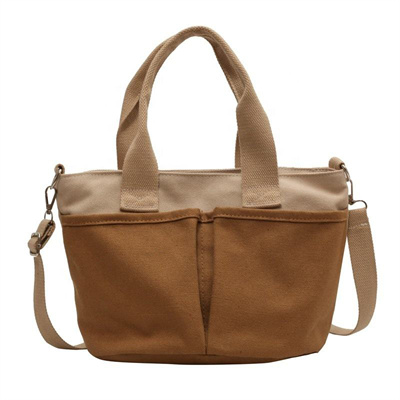
Why Partner with WellPromotion to Meet 2026 New Industry Standards?
Navigating intricate policies and diverse material options calls for a fully compliant custom tote bag manufacturer. WellPromotion is committed to being a trusted global partner for brands, offering comprehensive support to ensure compliance.
We attach top priority to official compliance certifications. Our factory holds ISO9001, BSCI, SEDEX and other authoritative qualifications, enabling your supply chain to pass third-party audits seamlessly. A rigorous quality control system is implemented to guarantee toxin-free production, precise color matching and durable printing fastness. In addition, we closely track policy updates and stock qualified raw materials in advance, effectively mitigating raw material shortage risks and ensuring on-time delivery for bulk custom tote bags orders.
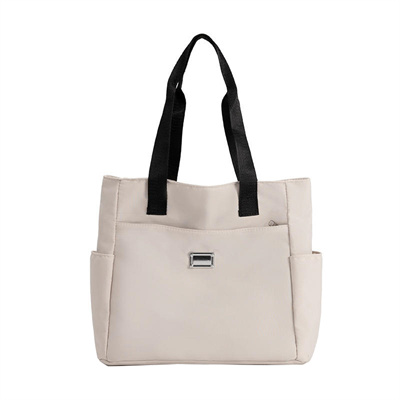
Conclusion
Low-quality promotional freebies have turned into negative brand liabilities. By opting for eco-friendly custom tote bags, enterprises accumulate sustainable brand equity. Embrace industry transformation proactively in 2026 to gain a competitive edge in the marketplace.
Contact WellPromotion today to obtain the latest product catalog, and let us tailor ideal custom tote bag solutions for your upcoming projects.
WellPromotion Custom Tote Bags From YouTube
FAQ
Q1: Are conventional PP non-woven tote bags still allowed in 2026?
A: Regulations vary significantly by region. However, conventional PP non-woven bags pose substantial compliance risks in markets with strict environmental laws. We strongly recommend transitioning to PLA biodegradable non-woven fabric or natural fibers (cotton/canvas) to mitigate potential fines and reputational damage.
Q2: What is your minimum order quantity (MOQ)?
A: Our standard MOQ is 1,000 pieces. We do offer flexibility for smaller batches (500–1,000 units), provided they utilize our existing fabric inventory and stock colors.
Q3: Can I request pre-production samples before placing bulk orders?
A: Absolutely. Contact WellPromotion team to arrange sample shipments.We encourage evaluating the material quality, color matching, and print finish to ensure they meet your specifications prior to bulk production.
Q4: What is the typical sampling timeline?
A: Our tote bag factory runs a dedicated sample workshop. We typically deliver pre-production samples within 3–5 business days after artwork confirmation and pricing approval.