English
Views: 703 Author: Isabella Carter Publish Time: 2026-09-10 Origin: WellPromotion Custom Bags in Bulk Backpacks
Selecting bags in bulk backpacks requires careful consideration. Before placing an order, conducting a thorough review of product details, customization requirements, and commercial terms helps reduce procurement risks and ensures the delivered products meet expectations. This guide provides buyers with a systematic checklist across three dimensions: materials and sizing, customization options, and pricing, shipping, and quality assurance.
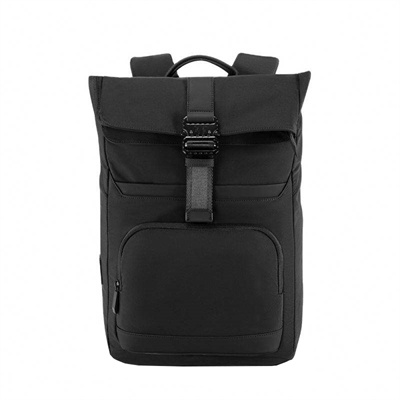
Confirm Material, Size, and Functional Features
When selecting bags in bulk backpacks, confirming the materials, sizes, and functional design of samples is foundational work before placing an order. The material, specifications, and design of a backpack directly affect its applicable scenarios and service life. Therefore, before finalizing a bulk order, it is recommended to request detailed technical specifications from the supplier and apply for physical samples for inspection.
1. Materials and Durability
Fabric is the foundation of backpack quality. Common fabrics include polyester, nylon, and recycled eco-friendly materials. Different fabrics vary in abrasion resistance, water resistance, and hand feel. Buyers should specify clear requirements based on the end-use environment.
Beyond the fabric itself, the quality of auxiliary materials is equally critical. For example, zippers should be selected from mainstream brands to ensure smooth operation and resistance to damage. Load-bearing areas such as shoulder strap attachment points and handle bases should feature reinforced stitching to enhance overall durability.
2. Sizes and Capacity
External dimensions must match the intended use case. For example, student backpacks need to fit into desks or lockers, while commuter backpacks should be checked for compatibility with laptops and daily essentials.
Capacity should be determined according to the needs of the target users, avoiding waste from oversized bags or insufficiency from undersized ones. At the same time, attention should be paid to the empty weight of the bag, as an overly heavy bag increases the burden on the user.
3. Functional Design
Reasonable compartmentalization enhances the user experience. During procurement, attention should be paid to whether the backpack is equipped with practical designs such as padded laptop compartments, front organizer pockets, and side water bottle holders. If special requirements exist, buyers can also confirm whether the supplier supports additional features such as reflective strips or USB charging ports.
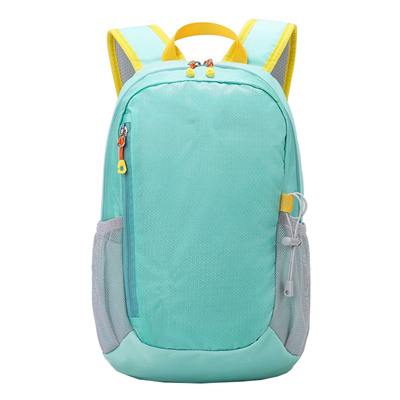
Verify Customization Options and Branding Requirements
In the procurement of bags in bulk backpacks, they typically also serve a brand promotion function. Before order confirmation, customization techniques and brand presentation methods should be fully discussed with the supplier.
1. Customization Techniques
Different customization techniques are suited to different graphic effects and budget ranges. For example, embroidery offers a strong three-dimensional feel and high durability, making it suitable for simple brand logos. Buyers should select the appropriate technique based on the design characteristics of the logo, and confirm with the supplier the maximum printable area and color reproduction method.
2. Brand Presentation Details
The placement of the brand logo affects the final visual impact. Common locations include the front panel, top pocket flap, side pockets, or shoulder straps.
After the position is determined, buyers need to provide the supplier with design files in vector format to ensure clarity in printing or embroidery. For a higher degree of branding, customized woven labels, hangtags, and packaging bags can be further discussed as supporting materials to present a unified brand image.
3. Colors and Packaging
Some suppliers support customizing the main color of the backpack according to Pantone color codes, but such services usually come with minimum order quantity requirements. Packaging methods also need to be confirmed in advance, including carton capacity and whether individual polybags are used, as these details affect shipping costs and the unboxing experience upon arrival. Taking WellPromotion as an example, they adopt the Pantone color system and support various customization options. Buyers can confirm specific process feasibility and related requirements during the quotation stage.
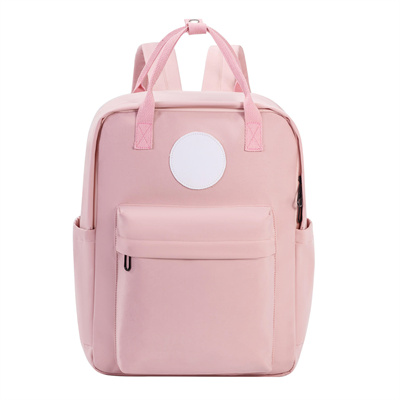
Clarify Pricing, Shipping Logistics, and Quality Assurance
Clear commercial terms are the foundation for protecting the interests of both parties. Before placing an order, buyers should reach agreement with the supplier on pricing structure, delivery cycles, and quality standards to ensure the procurement process for bags in bulk backpacks remains controllable.
1. Pricing
Pricing is a core component of procurement costs. Suppliers typically set tiered pricing based on order quantity. Buyers should confirm during inquiry whether the quoted price includes customization fees, mold fees, or sample fees.
2. Shipping Logistics
The allocation of responsibilities under trade terms needs to be clarified. Different terms determine who bears freight, insurance, and at which point the risk of loss transfers. Production cycles and transit times should be factored into overall timeline planning. Sea freight in particular is subject to variables such as shipping routes and weather, requiring reasonable buffer time.
Before placing an order, buyers can request carton dimensions and gross weight information from the supplier to facilitate advance arrangements for warehousing and distribution.
3. Quality Assurance
Sample confirmation is the primary step in quality control. Before mass production, the supplier should be asked to provide a pre-production sample for signed approval. During production, third-party inspection agencies can be commissioned to conduct in-line inspections and final random inspections, referencing the internationally recognized AQL sampling standard. For products exported to specific markets, compliance with local regulatory requirements should also be confirmed, such as the CPSIA certification, California's Proposition 65, or the REACH regulation.
Beyond regulatory compliance, the supplier's internal quality control system is equally important. Taking WellPromotion as an example, they have established standard processes for quality control, including incoming material inspection, in-process production checks, and pre-shipment sampling, ensuring each batch of goods conforms to the agreed specifications.
WellPromotion Custom Bags in Bulk Backpacks From YouTube
Pre-Order Checklist
Before finalizing the order, buyers are advised to confirm the following items one by one:
Have the fabric, size, and functional design of the physical sample been reviewed to ensure they meet requirements?
Have the customization technique, logo placement, file format, and branding details been confirmed?
Have the tiered pricing, payment terms, trade terms, and estimated delivery time been clarified?
Have the quality inspection standards, acceptance methods, and after-sales solutions been agreed upon?
Through the systematic verification process outlined above, buyers can effectively reduce communication errors and improve the efficiency and success rate of bags in bulk backpacks procurement. For further information about product catalogs or customization services, please contact WellPromotion through the official website for detailed information.