English

Views: 700 Author: Henry Stock Publish Time: 2026-09-28 Origin: WellPromotion Custom Custom Canvas Duffle Bags
When fitness brands plan their own duffle bags or promotional sports bags, they often face the challenge of matching materials to specific usage scenarios. Among the many available materials, custom canvas duffle bags stand out as a compelling option for businesses that prioritize brand texture and lifestyle positioning, thanks to their distinctive visual appeal. These bags have become a serious consideration for many boutique gyms and athletic apparel brands. However, canvas is not a universal solution. Only by understanding its true product characteristics can brands determine whether it aligns with their commercial positioning.
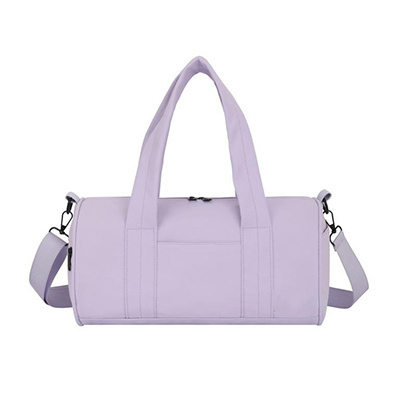
The Business Case for Custom Duffle Bags: Brand Visibility & Retail Margin
As competition in the fitness industry intensifies, brand differentiation is no longer limited to class offerings and equipment configurations—it now extends across the entire member experience. Custom logo duffle bags serve as mobile advertising media, continuously displaying brand visuals during members' commutes and workouts, generating high-frequency exposure.
At the same time, boutique gyms and athleisure brands place particular emphasis on the retail value of branded merchandise, using aesthetically designed gear to increase front-desk retail margins and member loyalty. Within this trend, custom canvas duffle bags—leveraging the malleability and print compatibility of their fabric—are increasingly entering the consideration set of brand procurement decision-makers.
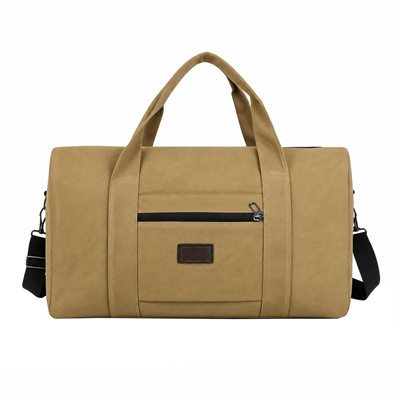
Where Canvas Duffle Bags Win: Premium Positioning and Lifestyle Branding
Custom canvas duffle bags deliver differentiated visual advantages in lifestyle-oriented settings. This advantage stems from the naturally matte texture and vintage aesthetic of canvas fabric, which helps the bag maintain a naturally structured silhouette—making it well-suited for yoga studios, boutique gyms, and other venues that emphasize an atmosphere of refined aesthetics.
Furthermore, canvas reliably supports large-format brand logos. Whether through embroidery, leather patches, or woven labels, the material consistently yields a high level of craftsmanship. If the custom bag incorporates natural cotton-linen blends, the material further reinforces an eco-conscious narrative, helping brands communicate their sustainability commitments. Given these product characteristics, brands must align their craftsmanship and fabric choices when executing a custom program.
When handling such canvas bag orders, WellPromotion adjusts fabric weight and finishing processes based on each client's specific customization requirements, ensuring consistent quality in both retail display and daily use.
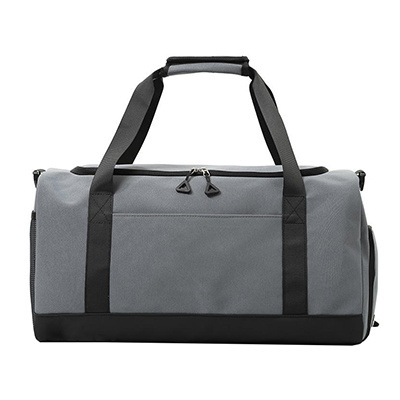
When Canvas Doesn’t Win: Performance Limits and How to Fix Them
Despite their visual strengths, custom canvas duffle bags come with objective limitations that brands must clearly understand before placing an order. Canvas fabric is not inherently waterproof and may allow seepage when exposed to sweat, damp clothing, or swimwear. To address this weakness, manufacturers can apply engineering solutions such as adding TPU or PU coated linings and installing waterproof bottom panels.
Additionally, an empty canvas bag is heavier than those made from synthetic fibers like nylon, and lighter-colored fabrics tend to show dirt more readily over time. Common process-based countermeasures for these characteristics include:
Configuring independent ventilation structures in the shoe compartment and the wet-gear section to reduce odor buildup;
Selecting darker colorways or applying water-repellent coatings to extend the product's clean appearance.
Even with these improvements, canvas remains a suboptimal choice for high-sweat environments such as swimming pools and boxing gyms, or for team-use scenarios that require frequent machine washing. In such cases, brands should prioritize high-performance synthetic materials.
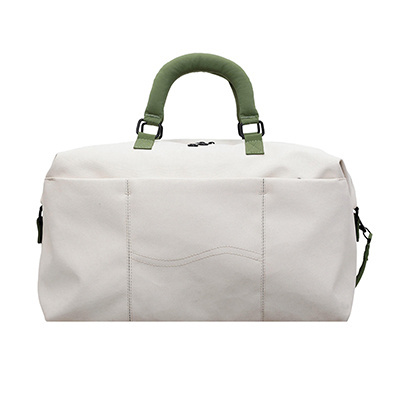
How to Choose the Right Material Mix for Your Fitness Brand
When evaluating custom canvas duffle bags, brands need to build a comprehensive material comparison framework rather than basing decisions on a single fabric. Clear selection criteria help control costs while ensuring the final product meets members' real-world needs.
Specifically, canvas suits premium scenarios that demand brand character and retail margin support; polyester offers superior practicality and cost control; RPET fulfills eco-certification requirements; and nylon with coating systems delivers professional-grade water resistance.
Each of these four materials serves a distinct positioning, and no single option is universally optimal.
Based on this comparison, WellPromotion advises buyers to determine material combinations according to their target customers' usage habits, rather than relying solely on one fabric type. For example, a brand might pair a canvas body with waterproof synthetic panels at the shoe compartment and base—balancing visual style with functional performance.
WellPromotion Custom Canvas Duffle Bags From YouTube
Conclusion
In summary, custom canvas duffle bags occupy a distinct position within a fitness brand's merchandise ecosystem. Their strengths center on brand expression and lifestyle positioning, while their limitations manifest in water resistance, fabric weight, and daily maintenance. Brands should make procurement decisions only after thoroughly understanding these characteristics.
WellPromotion provides targeted material combination recommendations and process solutions tailored to each brand's actual usage scenarios, ensuring the final product meets both visual requirements and objective standards of daily use. To get started with a custom project, contact us for a quote and a sample program.