English
Views: 749 Author: Ava Churchill Publish Time: 2026-09-08 Origin: WellPromotion Custom Cotton Bags
For a long time, non-woven bags dominated the promotional gifts market. However, as environmental regulations and brand values evolve, the procurement landscape in this market is shifting. The limitations of non-woven bags in terms of environmental impact and texture make it difficult for them to meet the needs of today's brands. Faced with these limitations, a growing number of brands are turning their attention to cotton bags as an alternative. This article analyzes this shift and provides guidance on how to select the most suitable cotton bag type for your brand.
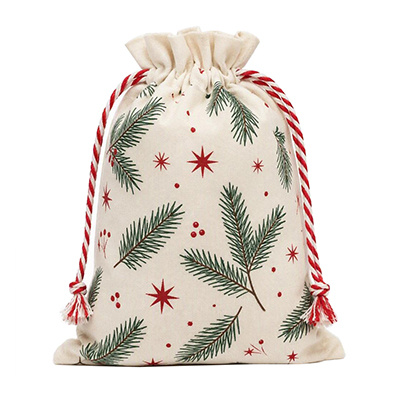
Why the Shift: The Limitations of Non-Woven Bags
Non-woven bags are essentially made from polypropylene, a type of plastic. They are difficult to degrade in natural environments and pose a risk of microplastic pollution, which conflicts with the sustainability goals many brands are pursuing. In addition, some countries have introduced policies restricting single-use or hard-to-recycle plastic products, and non-woven bags are also subject to regulatory scrutiny.
Beyond environmental concerns, non-woven bags also fall short in texture and durability. The non-woven fabric is relatively thin, and print quality is limited, making it difficult to convey a premium brand image. At the same time, its tear resistance is weak, and the number of reuse cycles is limited. Frequent replacement means higher long-term costs. For businesses that value brand image, the shortcomings of non-woven bags in texture and durability make it hard for them to carry long-term brand communication in the way cotton bags can.
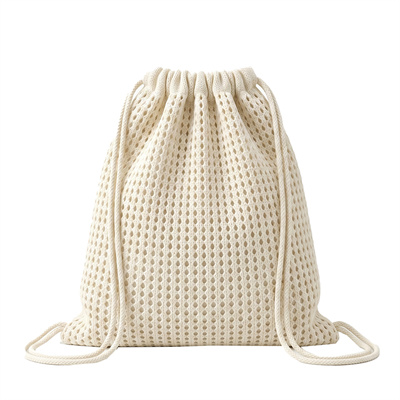
Cotton Advantages: Why Brands Are Making the Switch
The reasons brands are switching to cotton bags are mainly reflected in the following aspects.
In terms of environmental attributes, cotton bags are made from natural fibers, are biodegradable, and align with brand sustainability goals. In terms of texture, cotton bags are thick and soft, offering a noticeably better tactile experience than non-woven bags, which makes consumers more willing to reuse them. A higher frequency of reuse means brand logos gain longer exposure, resulting in a more sustained promotional cycle.
In addition, the natural fiber structure of cotton creates a finer surface texture, allowing for higher print resolution compared to non-woven bags and more accurate reproduction of brand designs. For brands pursuing sustainability, the combined advantages of cotton bags in environmental performance and user experience make them a more suitable choice.
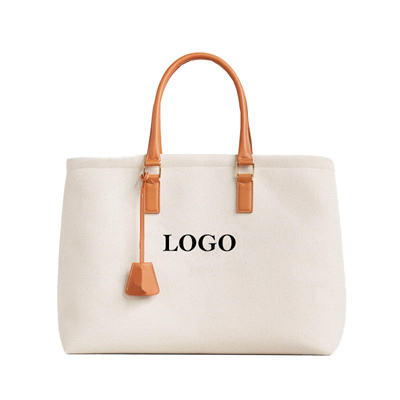
Navigating the Options: Which Cotton Bag is Right for You?
Depending on the material, cotton bags fall into the following types, each suited to different brand needs.
1. Organic Cotton Bags
Organic cotton offers the most outstanding environmental attributes and is suitable for brands that place sustainability at the core of their values. Organic cotton is grown without chemical pesticides or fertilizers, reducing its impact on soil and the environment. Choosing organic cotton provides traceable material sourcing that supports a brand's environmental messaging.
2. Canvas Bags
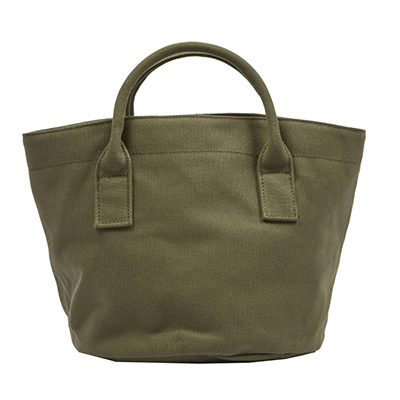
Canvas is known for its durability. With a high fabric density and excellent abrasion resistance, it can withstand frequent use and heavier items. For outdoor brands or businesses that need to give samples to clients, canvas bags are a practical choice.
3. Poly-Cotton Blend Bags
Poly-cotton blends strike a balance between cost and quality. They maintain a cotton-like feel while offering improved wrinkle resistance, making them easier to store and transport. For procurement needs with a limited budget that still require a certain level of quality, this material provides a pragmatic solution.
Making the Investment Count: Cost vs. Long-Term Value
The initial procurement cost of cotton bags is higher than that of non-woven bags, but when evaluating cost, businesses should factor in product lifespan and frequency of exposure.
Non-woven bags tend to tear or lose shape after just a few uses, shortening the display cycle of the brand logo. Cotton bags, on the other hand, retain their shape and function even after multiple washes, providing long-term brand visibility. In terms of cost per impression and return on investment, the long-term value of cotton bags is significantly more compelling.
WellPromotion Custom Cotton Bags From YouTube
Conclusion
The all-around performance of cotton bags in environmental impact, texture, and durability makes them an important alternative to non-woven bags. For businesses looking to build long-term brand recognition, shifting from single-use promotional items to sustainable brand assets has become a clear trend.
If you are looking for a custom cotton bag solution for your brand, WellPromotion offers a range of materials including organic cotton and canvas, with customization services tailored to your specific needs. We provide selection advice based on your requirements, and for different brand budgets and design goals, we can achieve personalized brand expression through various processes and designs, ensuring every cotton bag carries lasting brand communication value.